Back to Home
    Complete Bibliography

    Publications

    Academic works spanning perennial philosophy, Norse and Greek mythology, and the Tantric traditions of the East — alongside edited anthologies and contributed collections.

    As Author

    Original Works

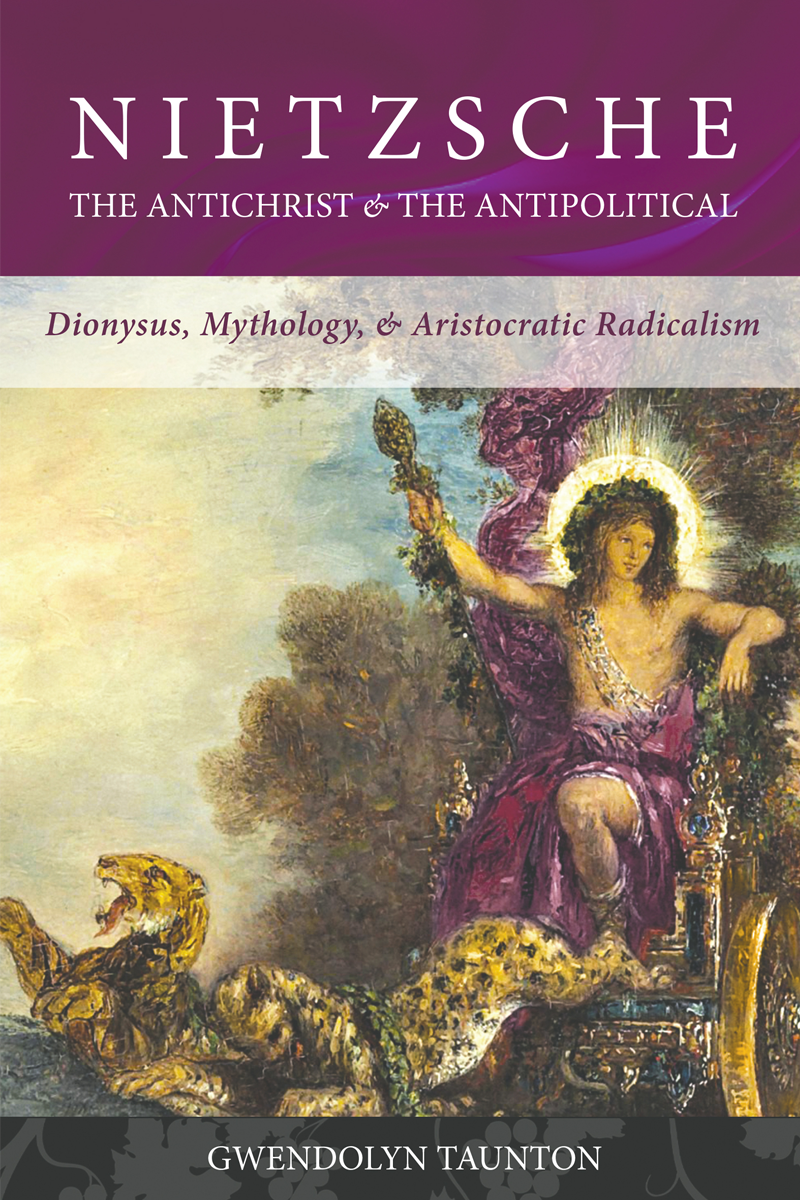
    Nietzsche: The Antichrist & The Antipolitical (2020) book cover
    Philosophy

    Nietzsche: The Antichrist & The Antipolitical (2020)

    Dionysus, Mythology, & Aristocratic Radicalism

    Friedrich Nietzsche has had an enormous influence on the arts, politics, and even the occult realm, yet he remains widely misunderstood — particularly on religion and politics. This work highlights the finer points of Nietzsche's views from a neutral perspective. The first section explores the significance of Dionysus in Greek mythology and earlier German thought: for Nietzsche, Dionysus is not merely a pagan god but a symbol of the Will, a primordial power eternally reborn and identified with the Antichrist. The second half examines how Nietzsche's views on religion and mythology extend into his antipolitical philosophy.

    Walter Kaufmann once described Nietzsche as an “antipolitical individual who seeks self-perfection far from the modern world.” However, Nietzsche’s antipolitical individualism entails much more than merely abstaining from politics and being an individualist. Nietzsche’s antipolitical stance is part of his broader cultural agenda, which Georg Brandes referred to as aristocratic radicalism.
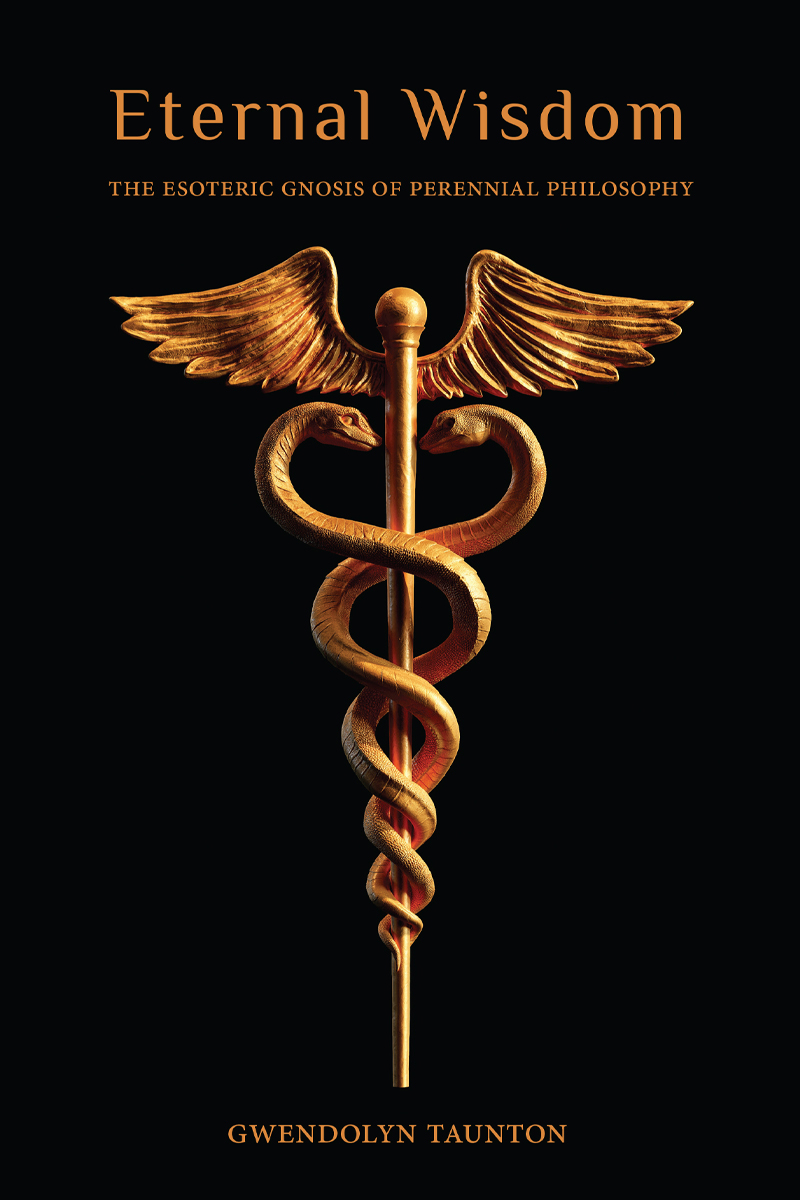
    Eternal Wisdom (2020) book cover
    Perennial Philosophy

    Eternal Wisdom (2020)

    The Esoteric Gnosis of Perennial Philosophy

    Eternal Wisdom explains the connection between art, mythology, spirituality, and religion through the language of symbols, drawing them beyond strictly religious philosophy to offer a positive cultural outlook for the modern era. Archetypes and mystical experiences persist within the collective human subconscious — part earthly and part otherworldly — providing a primordial source for the creative facets of human existence. 

    This book examines the strands of esoteric thought and gnosis provided in the teachings of perennial philosophy – a topic that has been predominantly associated with prestigious authors such as Carl Jung, René Guénon, Frithjof Schuon, Ananda Coomaraswamy, Huston Smith, and Aldous Huxley. Eternal Wisdom aspires to expand on the existing corpus of teachings by advocating for the inclusion of polytheist cultural sources. Additionally, esoteric practices - including divination and alchemy – are discussed within the context of perennial philosophy and the primordial tradition.

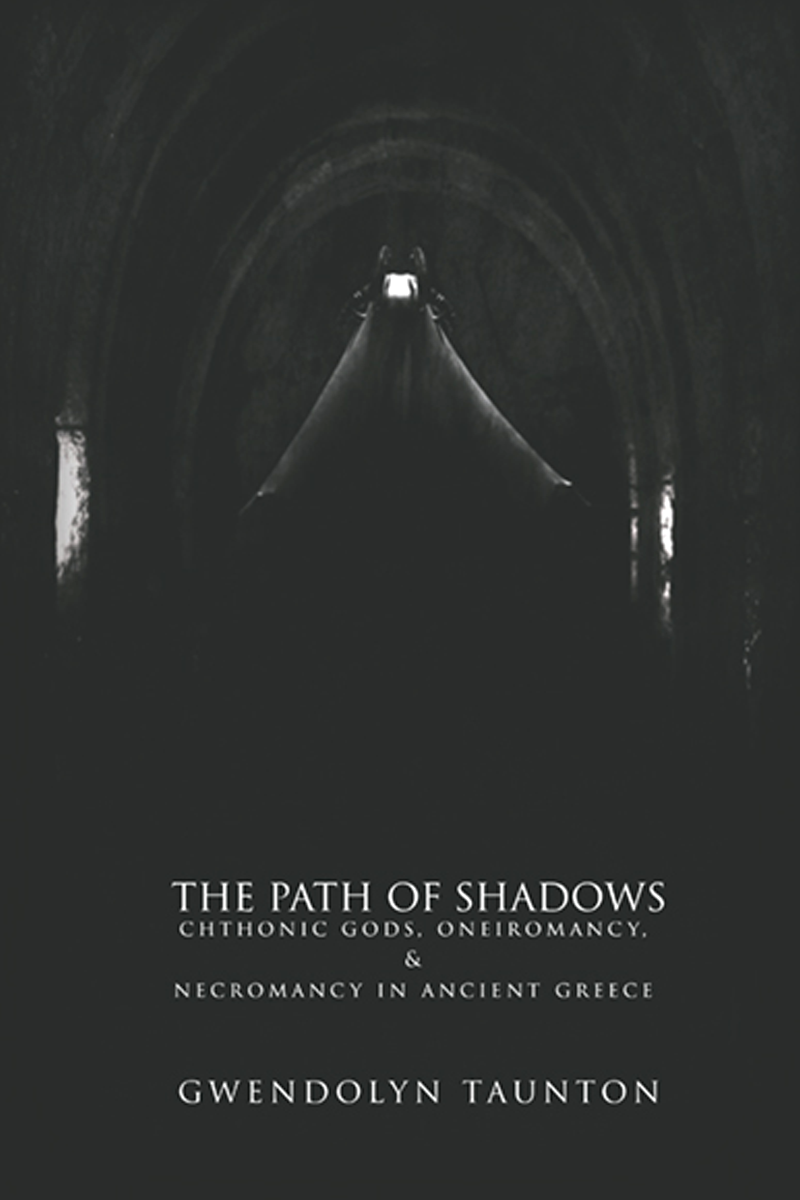
    The Path of Shadows (2018) book cover
    Greek Mythology

    The Path of Shadows (2018)

    Chthonic Gods, Oneiromancy, Necromancy in Ancient Greece

    The Path of Shadows escorts the reader deep into the hidden subterranean world of the chthonic traditions of ancient Greece — the interior of the earth, from where life is born and to which it returns in death. Hades is presented as an Indo-European figure identical to Yama, King and Judge of the Dead; Dionysus is revealed as his son and as the 'Black Sun' counterpart to Apollo; Persephone reigns as Queen of the Underworld and mother of Dionysus. Together this trinity governs the book, which also examines the Mantic Tradition, oneiromancy, necromancy and curse tablets as specialised chthonic practices of Hellenic magic.

    The Path of Shadows also looks at the forms of the occult which are exclusively chthonic practices. This is introduced first by a brief explanation of the Mantic Tradition, which specializes in all forms of divination, and how it occupied a position of prominence throughout the religions of antiquity. The Path of Shadows then looks at some of the specialized aspects of Hellenic magic, concentrating on oneiromancy (predicting the future through dreams), necromancy (summoning the souls of dead), and curse tablets (utilized for occult purposes), narrating how these practices relate to the chthonic traditions and the hidden aspects of human consciousness.

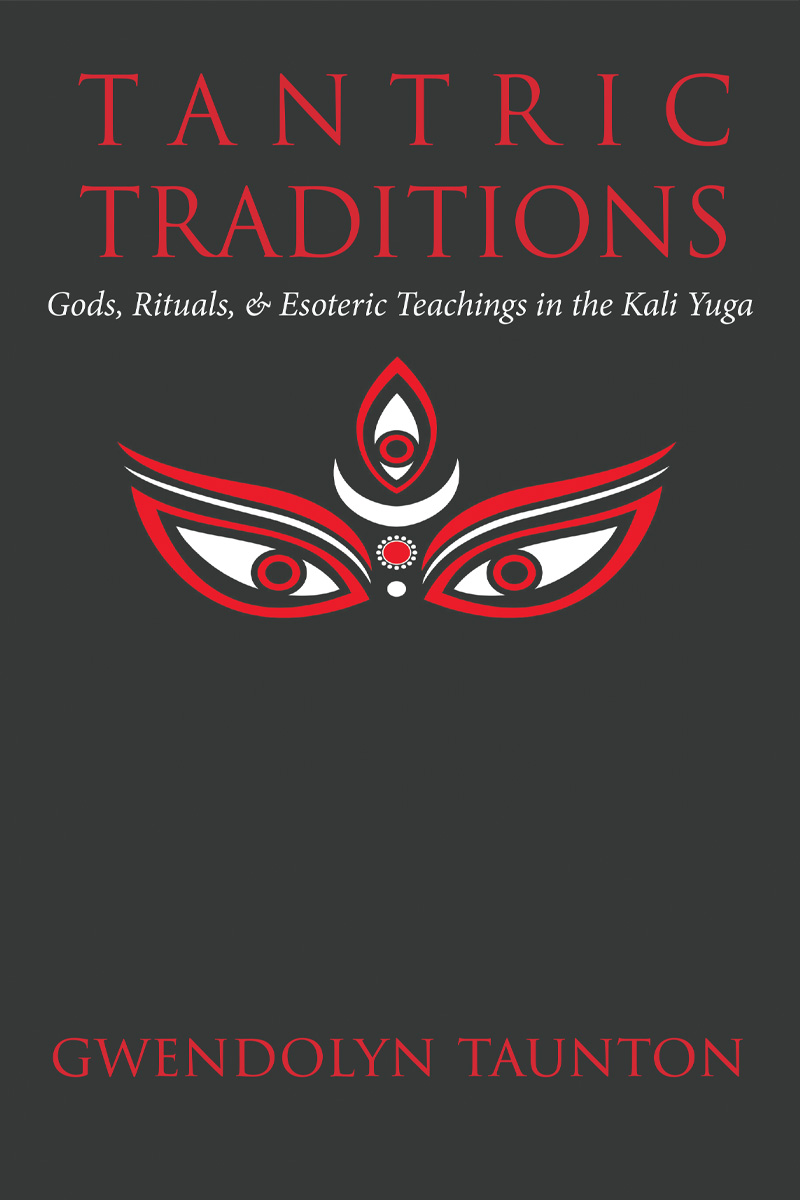
    Tantric Traditions (2018) book cover
    Hinduism

    Tantric Traditions (2018)

    Gods, Rituals, & Esoteric Teachings in the Kali Yuga

    Tantra. The word conjures forth a million images - including transgressive practices and the occult. But how accurate are these portrayals, and how do they compare to actual Tantric practices in India? To the casual observer, Tantra appears to partake of an oppositional role in regard to Vedic teachings, but this conceals a much more conservative core, for the Tantric traditions actually strive to reinforce their Vedic heritage. The Tantras are believed to be the appropriate teaching in the Kali Yuga, and understanding the role that the Kali Yuga plays in Tantric traditions is absolutely vital to interpreting the nature of Tantra itself. Contrary to being opposed to Vedic teachings, Tantra is actually an extension of them - it is a reinterpretation of the Vedas for the modern era.

    Contents

    CONTENTS Introduction PART I — Gods, Sacred Sites, & the Kali Yuga • Shiva: Naṭarāja, Śankara, & Higher Consciousness • Nataraja | Shankara | Yoga | Shamanism • The Devi: From Satī to Kālī • Sati | Parvati | Durga | Kali | Draupadi • Topographical Religiosity • Kashi | Tirtha-Yatra | Shakta Pithas • Tantra, the Kali Yuga, and the Occidental Traditionalist • Kali Yuga | Yuga Sastra | Traditionalism PART II — Origins, Rituals, & Esoteric Teachings • The Point of Origin • Definition | History | Rta | Dharma | Kali Yuga • Sacred Transgression • Power | Impurity | Left Hand Path | Right Hand Path • Lexicographical Gnoseology • Bhaskararaya | Abhinavagupta | Mantra Encryption • Formulas | Rasa | Philosophy of Sound | Magico-Religious Practices • Charms | Siddhi | Mantramahodadhi of Mahidhara | Vinasikhatantra | Alchemy | Magical Practices Appendix I — Occult Formula Appendix II — Tables of Correspondences
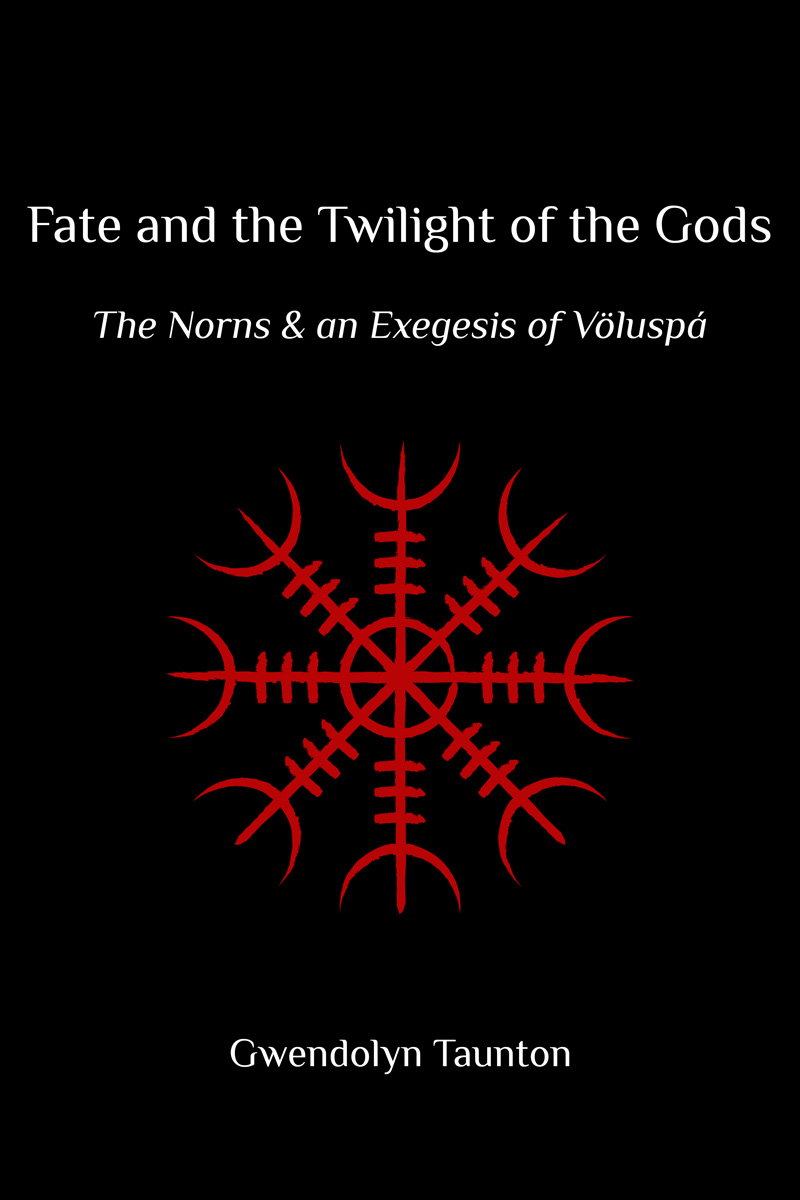
    Fate and the Twilight of the Gods (2018) book cover
    Norse Mythology

    Fate and the Twilight of the Gods (2018)

    The Norns and an Exegesis of Voluspa

    Fate and the Twilight of the Gods: The Norns and an Exegesis of Voluspa contains two sections, the first of which elaborates on the Norns (Nornir) and the concept of fate. In the Traditions of Northern Europe, fate is usually represented as a Goddess consisting of three aspects, known collectively as the Norns, who control the fate of the cosmos and remain distinct from both the Aesir and the Vanir, but are nonetheless able to control the destinies of mortals and Gods alike. Respectively, the most common names for the Norns are Urdr, Verdandi, and Skuld - each of whom has a special function, weaving a tapestry of words in which the warp and weft of threads become a metaphor for human lives. Together, the Norns offer a fascinating insight into the nature of magic, language, and metaphysical predeterminism in the Northern Traditions.

    The second half of the book examines Ragnarok and provides an exegesis of Voluspa - the prophecy which outlines the inevitable destruction of the world and the 'Twilight of the Gods'. Ragnarok refers to the doom of the Gods, and by the time Ragnarok concludes, almost every figure featured in the narrative will be dead, and the cycle of time shall begin anew. Ragnarok is examined from the perspective of perennial philosophy and comparative mythology to explain the esoteric significance of core features in Voluspa and the events which led to Ragnarok, with particular emphasis laid on the Gods Odin and Loki.

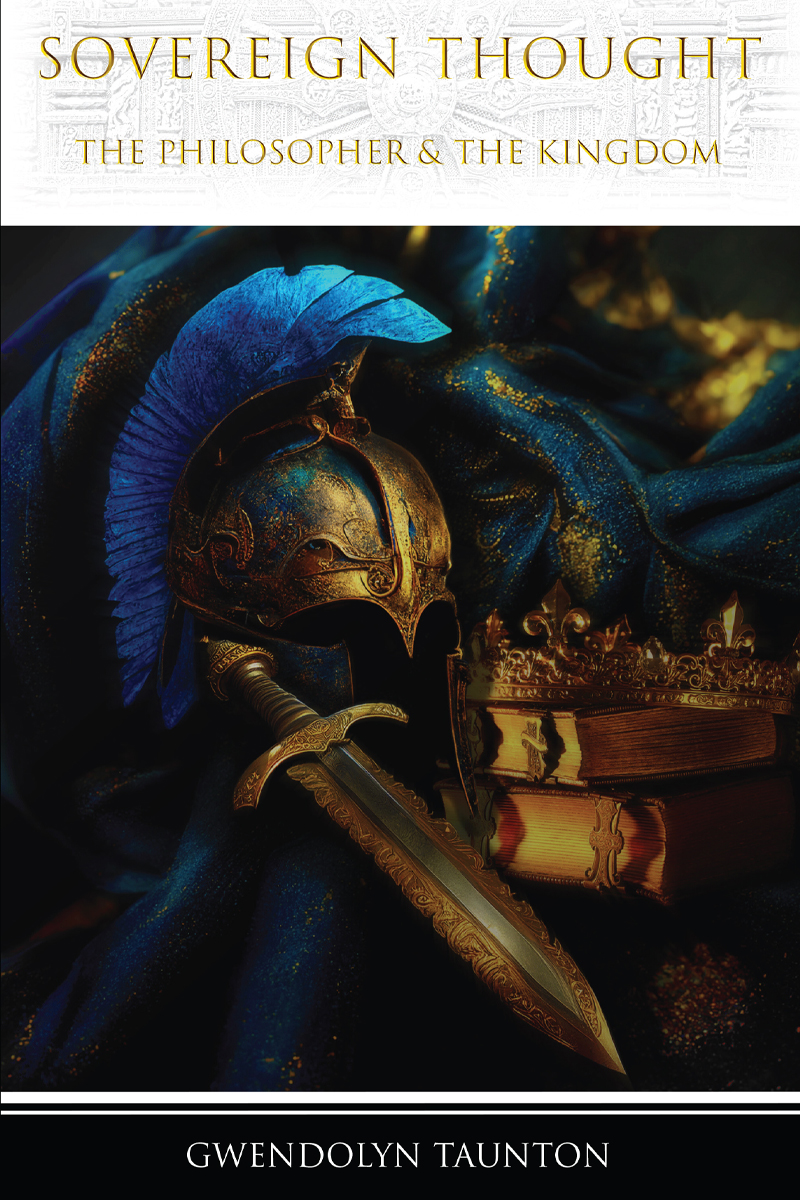
    Sovereign Thought: The Philosopher & the Kingdom (2023) book cover
    Philosophy

    Sovereign Thought: The Philosopher & the Kingdom (2023)

    From Ancient Greece to the Arthaśāstra

    Everything has a point of origin, and the formation of civilization is no exception. For Western culture, the vestigial epoch of cultural birth in Greece contains the best archaeological heritage of societal development, meticulously preserved by scholars. Both ancient Greek and Indian civilizations have left an enduring legacy through Socrates, Plato, and Chanakya/Kautilya. In the West, Plato (and, by default, Socrates) is regarded as the most influential philosopher in history, so much so that many philosophical concepts are mere ‘footnotes to Plato.’ No less extensive is the influence of Chanakya, whose ideas are still studied today. In the West, Chanakya is often referred to as the ‘Indian Machiavelli’ due to his political treatise, the Arthashastra. Accordingly, the book is split into two sections – one of which chronicles the rise and fall of Greek aristocracy and the philosophical concepts this relates to; the principles of areté, timé, and hybris.

    Both Socrates and Chanakya have a legendary quality, which at times borders on being mythological more than mortal; such is the extent of their influence. However, they are also much more complex than a casual glance would imply, exhibiting an extraordinary depth of character and spiritual qualities, which this book will explain.

    As Editor & Contributor

    Anthologies & Collections

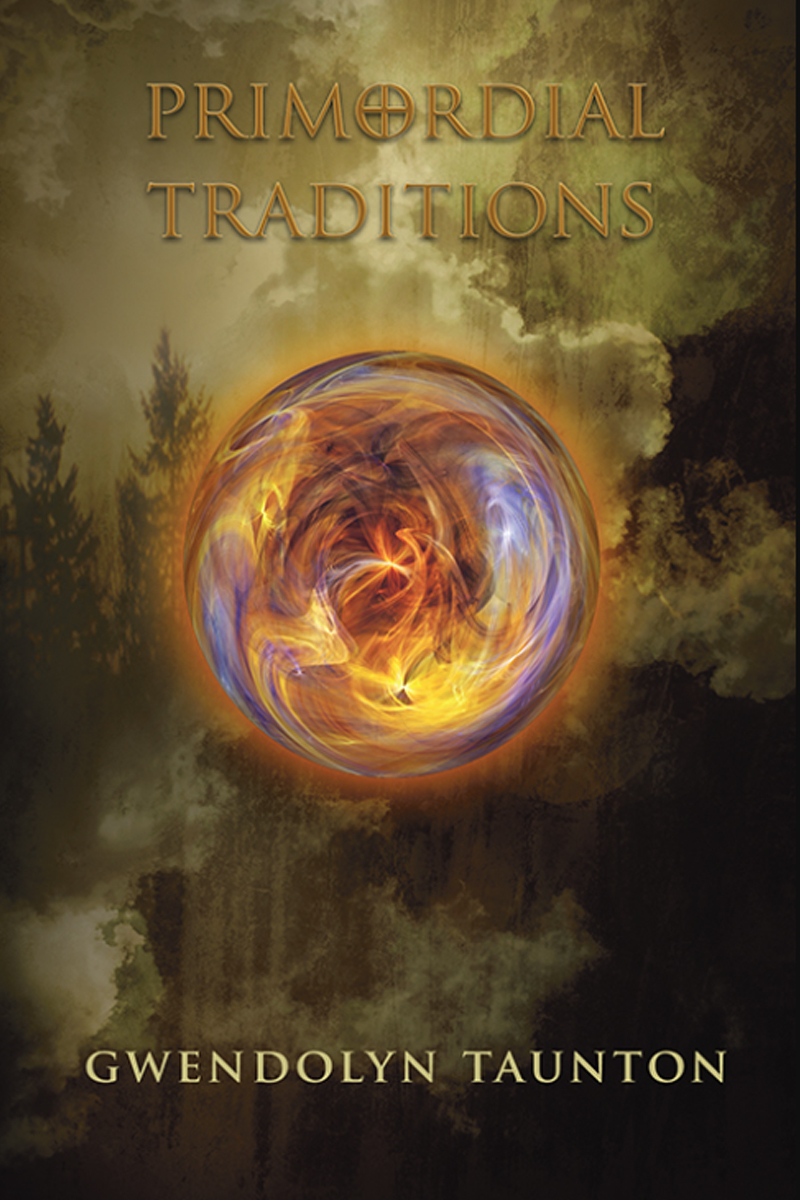
    Primordial Traditions (2016) book cover
    Editor & Contributor

    Primordial Traditions (2016)

    Second Edition

    Winner of the 2009 Ashton Wylie Award for Literary Excellence. This second edition of the award-winning collection features a selection of essays by Gwendolyn Taunton and other authors from the original periodical Primordial Traditions (2006–2010), with a revised layout, new binding and material not contained in the original publication. The essays span perennial philosophy and the wider applications of the Primordial Tradition.

    The first section of Primordial Traditions deals with aspects of perennial philosophy covering the broader applications of the Primordial Tradition in the modern world. Alchemy, philosophy, civilization, the Kali Yuga, and even the problems afflicting the economy are addressed here from a traditional perspective. The second section of the book then breaks down Traditions into geographic locations to discuss European, Eastern, Middle Eastern and South American Traditions at an advanced level. Topics covered include: Tibetan Tantra, Sufism, Yezidi, Tantrism, Vedic Mythology, Theravada Buddhism, Thai Magic, Oneiromancy, Norse Berserkers, Runes, Celtic Mythology, Mithras, Hellenic Mythology and Mayan Ceremonial Astrology.

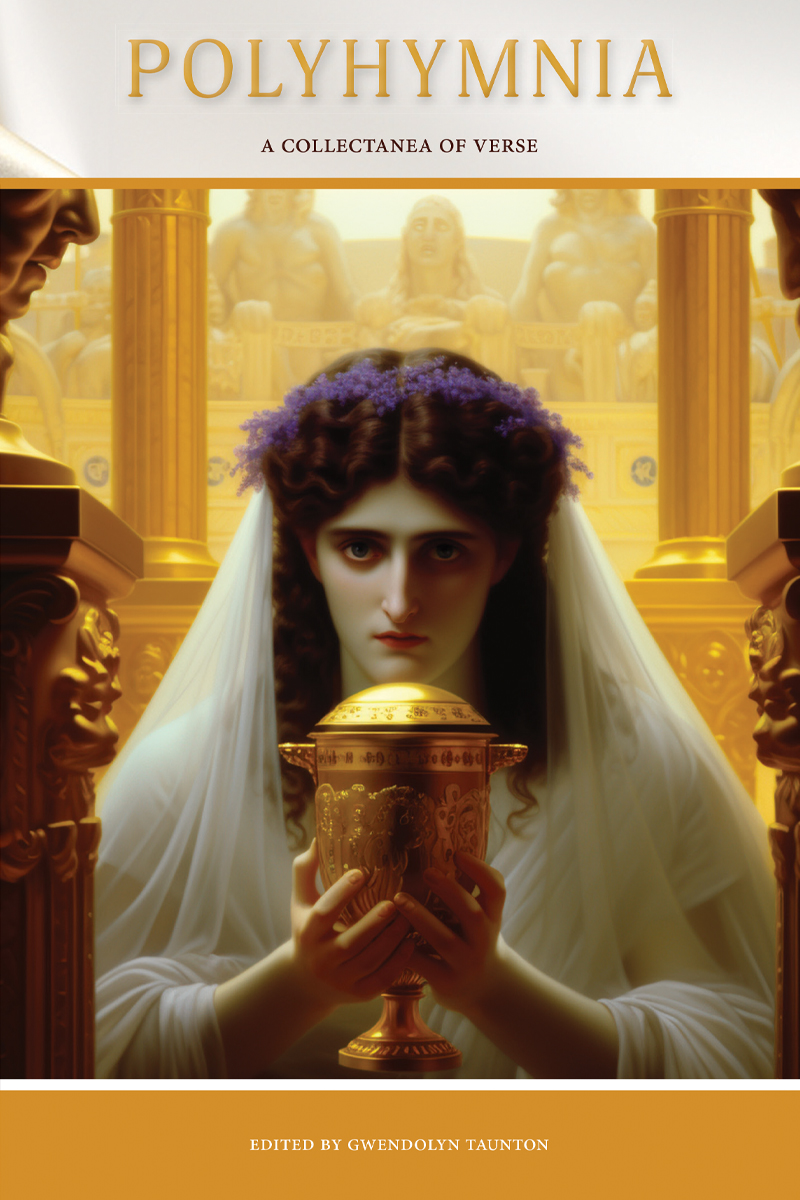
    Polyhymnia (2023) book cover
    Editor & Contributor

    Polyhymnia (2023)

    A Collectanea of Verse

    The Muse Polyhymnia was known for her serene and contemplative nature, symbolising the power of sacred hymns, eloquent speech, and deep reflection. Polyhymnia’s serene and introspective nature has been captured in various artistic representations throughout history. This poetry anthology draws inspiration from the Muse, showcasing a diverse range of voices, styles, and themes. The anthology aims to bring together poets from all walks of life to create a rich and vibrant collection of contemporary poetry.  Contributors include:  Stephen Nyandoro, Hilary Thiele, David Parry, Dani Ringrose, Lennart Svensson, Cody Sexton, and G.R. Tomaini.

    As one of the Muses, Polyhymnia is the daughter of Zeus and the Titaness Mnemosyne. She was also described as the mother of Triptolemus by Cheimarrhoos, son of Ares, and of the musician Orpheus by Apollo.

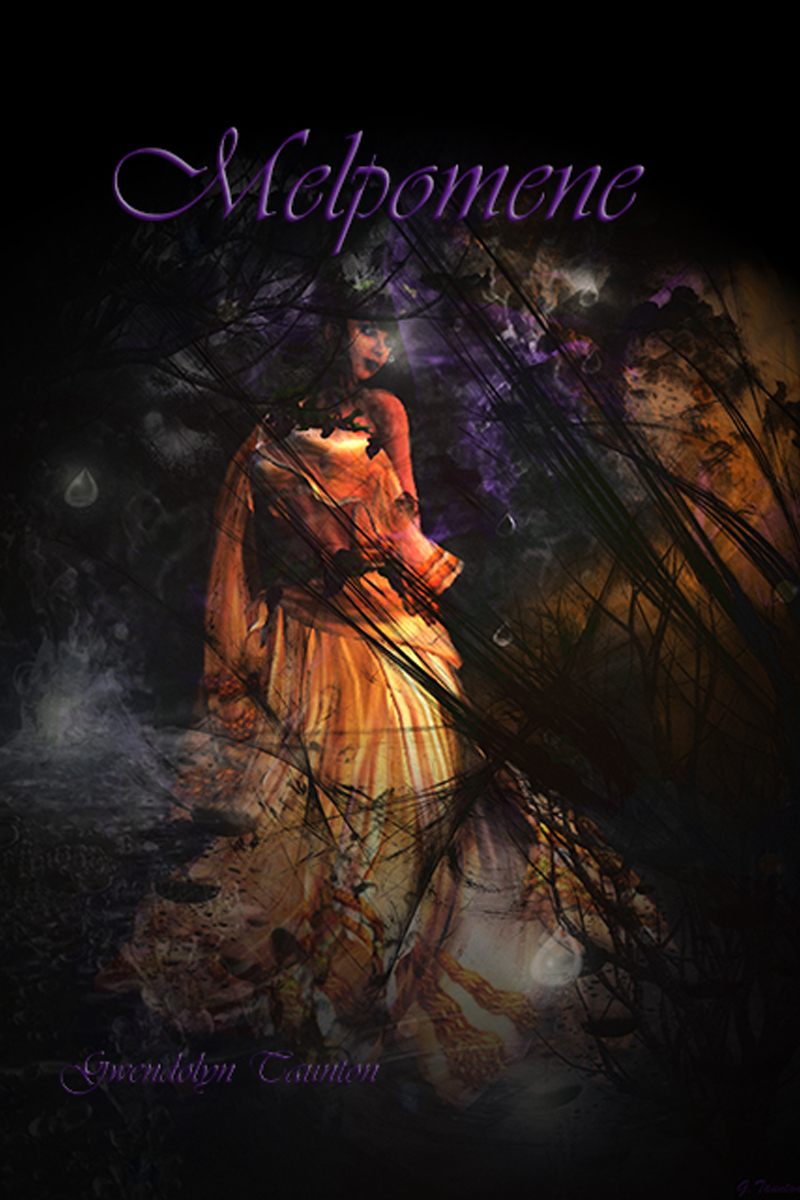
    Melpomene (2012) book cover
    Editor & Contributor

    Melpomene (2012)

    Poetry, Prose & Short Fiction

    Named after the Greek Muse of Tragedy, Melpomene is a collection of poetry, prose and short fiction on the beauty found in sorrow and the darker sides of human nature, drawing on the Damned Poets, the Decadent Movement, Symbolism/Surrealism and the Fin de siècle. Divided into four books — Liber Veneficium (Magic), Liber Maeroris (Sorrow), Liber Fatum (Fate) and Liber Mortuorum (Death) — the anthology gathers both new and classic literature into a dark and unearthly whole.

    Melpomene is broken into four sections: Liber Veneficium (Book of Magic), Liber Maeroris (Book of Sorrow), Liber Fatum (Book of Fate), and Liber Mortuorum (Book of Death). Each section contains both new and classic literature dealing with these themes. Containing works both old and new, Melpomene offers a prime selection of works on the melancholic side of existence, the transformational beauty of the esoteric, occult secrets hidden in verse, sorrow, doom and the inevitable grasp of death.

    Magazines — Editor
    • Primordial Traditions· 2006–2010
    Poetry — Contributor
    • New Zealand Collection of Poetry and Prose· 2002

    Interested in Academic Inquiries?

    For academic collaborations, bulk orders, or speaking engagements, please get in touch.

    Contact the Author